ANSTEEL

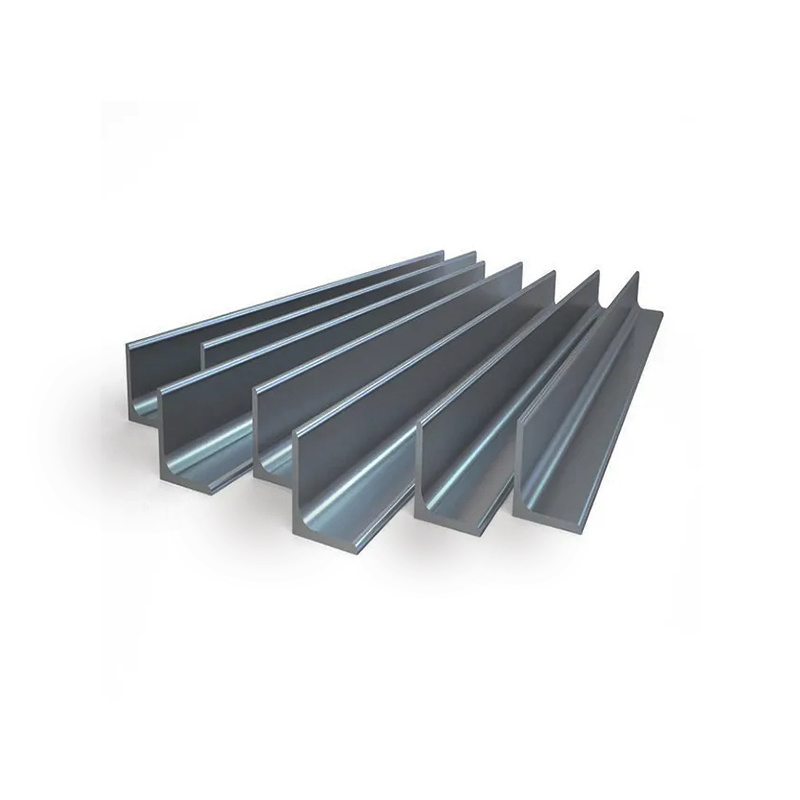
Galvanized Angle Steel

Galvanized angle steel is divided into hot-dip galvanized angle steel and cold galvanized angle steel. Hot dip galvanized angle steel is also called hot dip galvanized angle steel or hot dip galvanized angle steel. The cold galvanized coating mainly ensures the full contact between zinc powder and steel through electrochemical principle, and generates electrode potential difference for anti-corrosion. Hot dip galvanized angle steel is also called hot dip galvanized angle steel or hot dip galvanized angle steel. It is to immerse the angle steel after derusting in molten zinc melted at about 500 ℃ to attach a zinc layer to the surface of the angle steel, thus achieving the purpose of anti-corrosion. It is suitable for strong corrosive environments such as various strong acids and alkali fogs. The cold galvanizing process is used to protect the metal from corrosion. For this purpose, a coating of zinc filler is used. It is applied to the protected surface by any coating method and dried to form a zinc filler coating with a content of zinc in the dried coating (up to 95%). Suitable for repair work (I. e., during repair work, only where the protected steel surface is damaged, the surface can be recoated as long as it is repaired). The cold galvanizing process is used for corrosion protection of various steel products and structures.

MORE >>

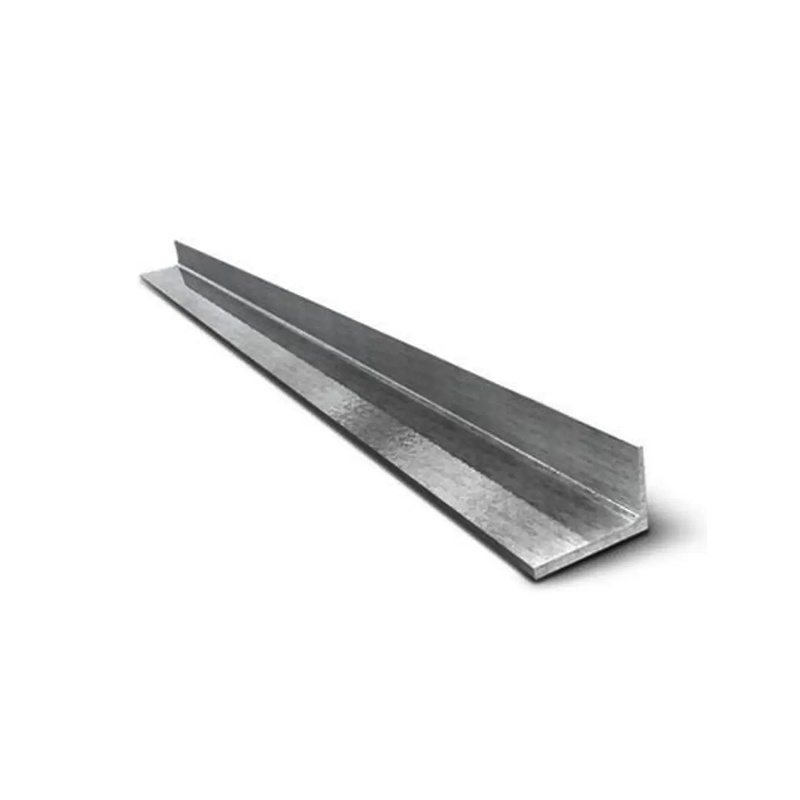
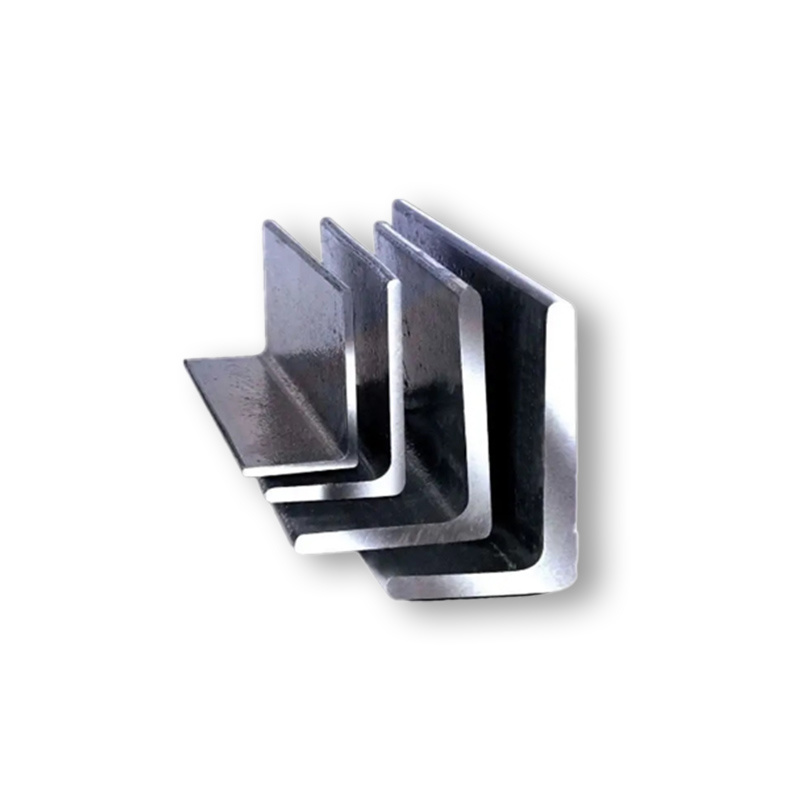
Galvanized Unequal Angle Steel

Galvanized angle steel is divided into hot-dip galvanized angle steel and cold galvanized angle steel. Hot dip galvanized angle steel is also called hot dip galvanized angle steel or hot dip galvanized angle steel. The cold galvanized coating mainly ensures the full contact between zinc powder and steel through electrochemical principle, and generates electrode potential difference for anti-corrosion. Hot dip galvanized angle steel is also called hot dip galvanized angle steel or hot dip galvanized angle steel. It is to immerse the angle steel after derusting in molten zinc melted at about 500 ℃ to attach a zinc layer to the surface of the angle steel, thus achieving the purpose of anti-corrosion. It is suitable for strong corrosive environments such as various strong acids and alkali fogs. The cold galvanizing process is used to protect the metal from corrosion. For this purpose, a coating of zinc filler is used. It is applied to the protected surface by any coating method and dried to form a zinc filler coating with a content of zinc in the dried coating (up to 95%). Suitable for repair work (I. e., during repair work, only where the protected steel surface is damaged, the surface can be recoated as long as it is repaired). The cold galvanizing process is used for corrosion protection of various steel products and structures.

MORE >>

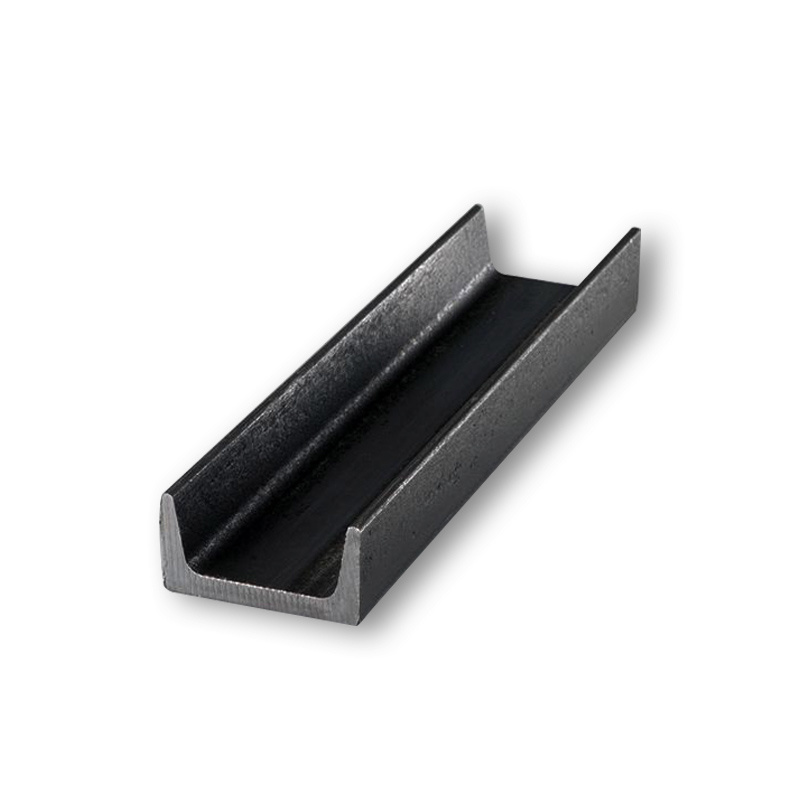
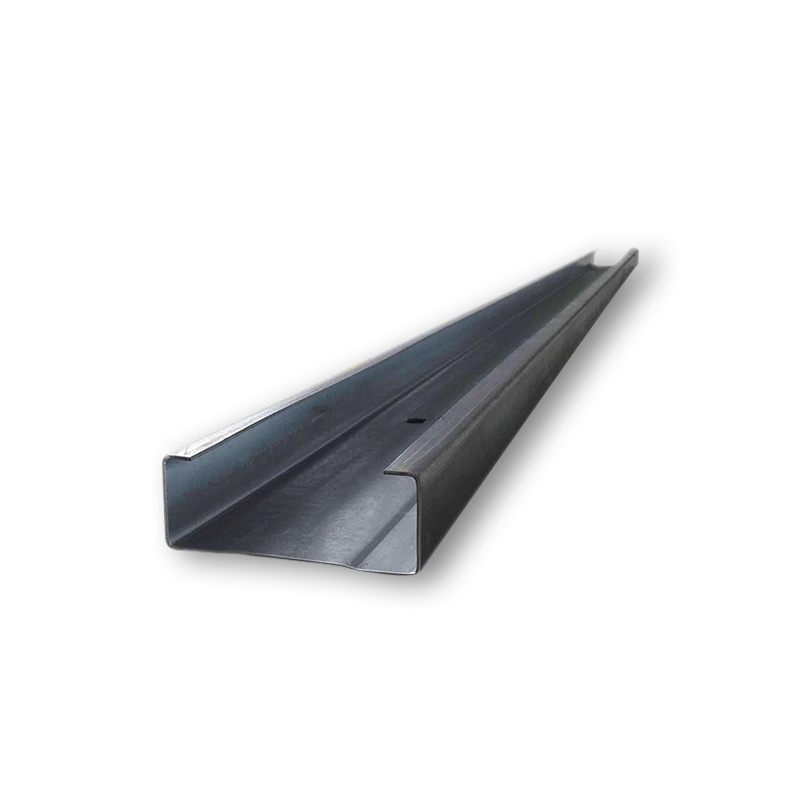
Carbon Steel Channel

Channel steel is a long strip of steel with a groove-shaped section, which is a carbon structural steel for construction and machinery. It is a section steel with a complex section, and its section shape is groove-shaped. Channel steel is mainly used for building structure, curtain wall engineering, mechanical equipment and vehicle manufacturing.

MORE >>

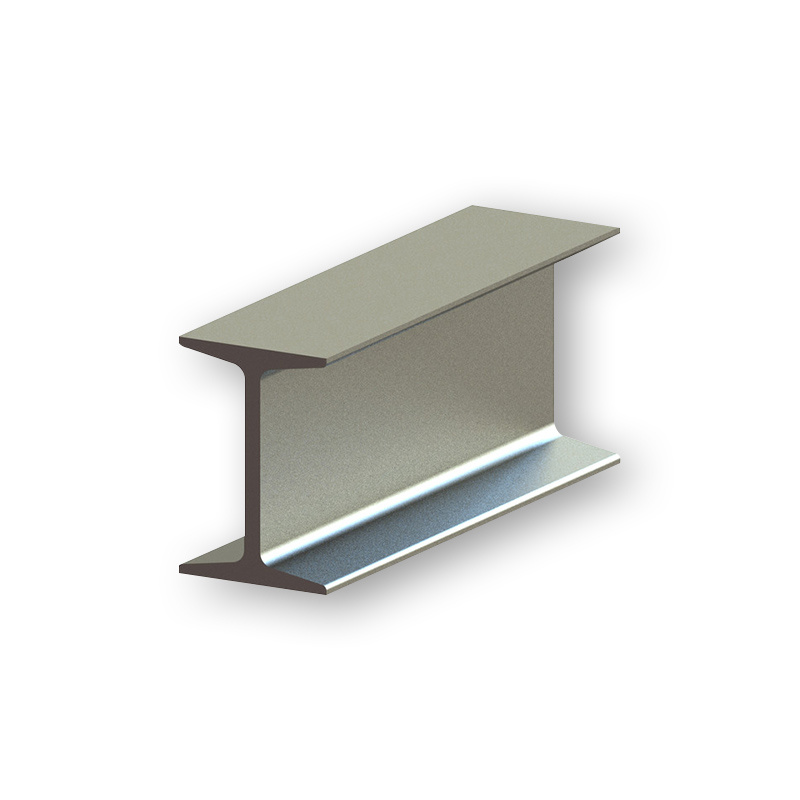
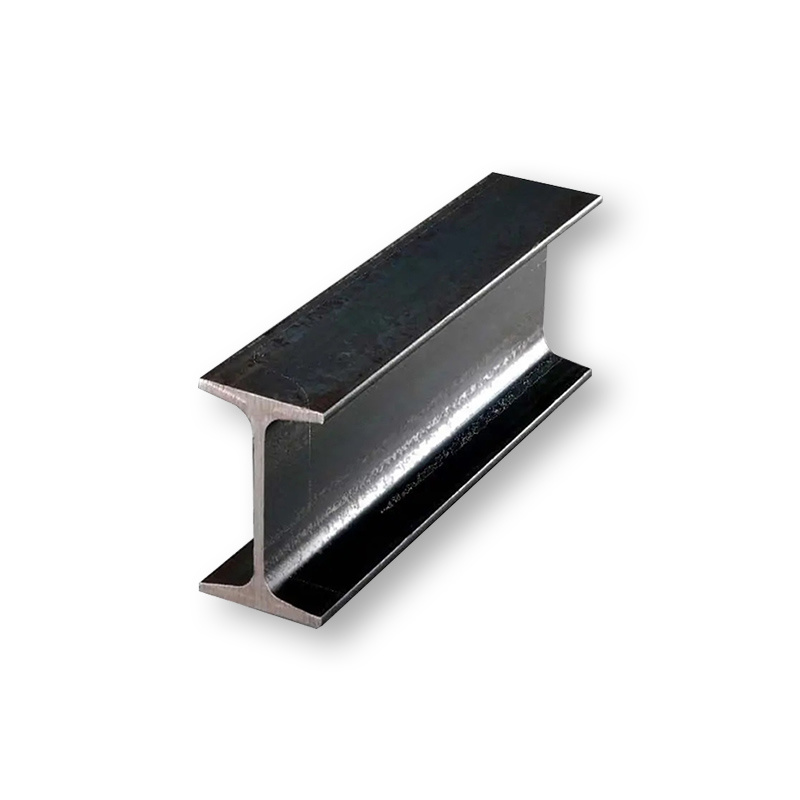
Galvanized I-Steel

Hot-dip galvanized I-steel is also called hot-dip galvanized I-steel or hot-dip galvanized I-steel. It is to immerse the I-beam after derusting into molten zinc at about 500 ℃ to attach a zinc layer to the surface of the I-beam, thus achieving the purpose of anti-corrosion. It is suitable for strong corrosive environments such as various strong acids and alkali fogs.

MORE >>

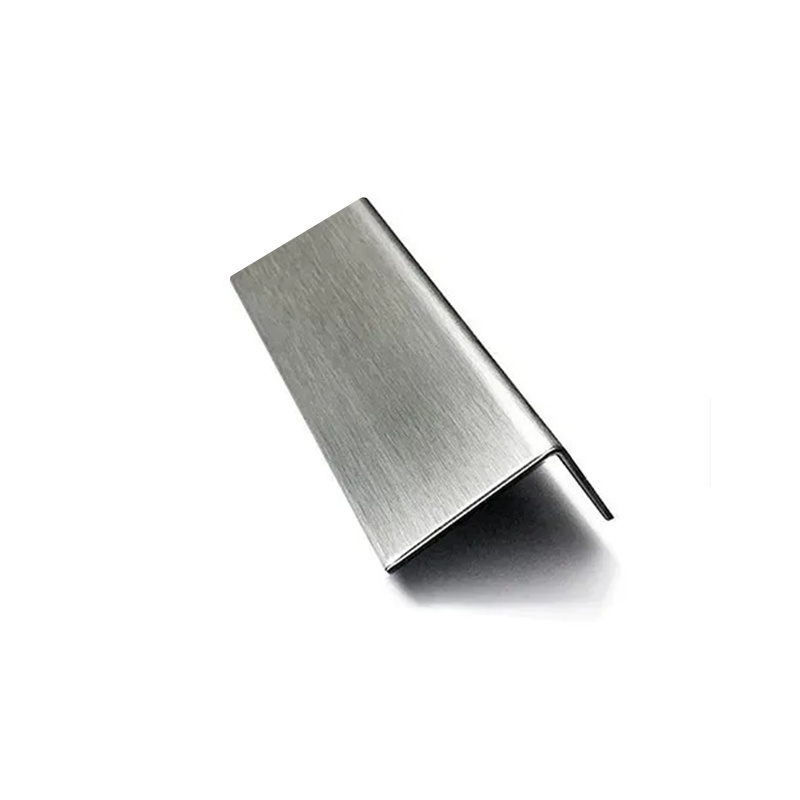
Stainless Steel Unequal Angle Steel

Stainless steel angle steel is mainly divided into two types: equilateral stainless steel angle steel and unequal stainless steel angle steel, of which unequal stainless steel angle steel can be divided into unequal equal thickness and unequal thickness. The section height of unequal stainless steel angle steel is calculated by the long side width of unequal stainless steel angle steel.

MORE >>

Carbon Steel Unequal Angle Steel

Unequal angle steel is widely used in various metal structures, bridges, machinery manufacturing and shipbuilding, various building structures and engineering structures, such as beams, bridges, transmission towers, lifting and transportation machinery, ships, industrial furnaces, reaction towers, container racks and warehouses.

MORE >>

Carbon Steel C Groove Steel

Channel steel is a long strip of steel with a groove-shaped section, which is a carbon structural steel for construction and machinery. It is a section steel with a complex section, and its section shape is groove-shaped. Channel steel is mainly used for building structure, curtain wall engineering, mechanical equipment and vehicle manufacturing.

MORE >>

Carbon Steel I-Beam

I-beam is mainly divided into ordinary I-beam, light I-beam and low alloy light I-beam. Ordinary I-beam and light I-beam flanges are thick on the web plate and thin on the outside. Ordinary I-beam, light I-beam, because the cross-sectional dimensions are relatively high, narrow, so the section of the two main sleeve moment of inertia difference is large, which makes it in the scope of application has a great limitation. The use of I-beam shall be selected according to the requirements of the design drawings.

MORE >>

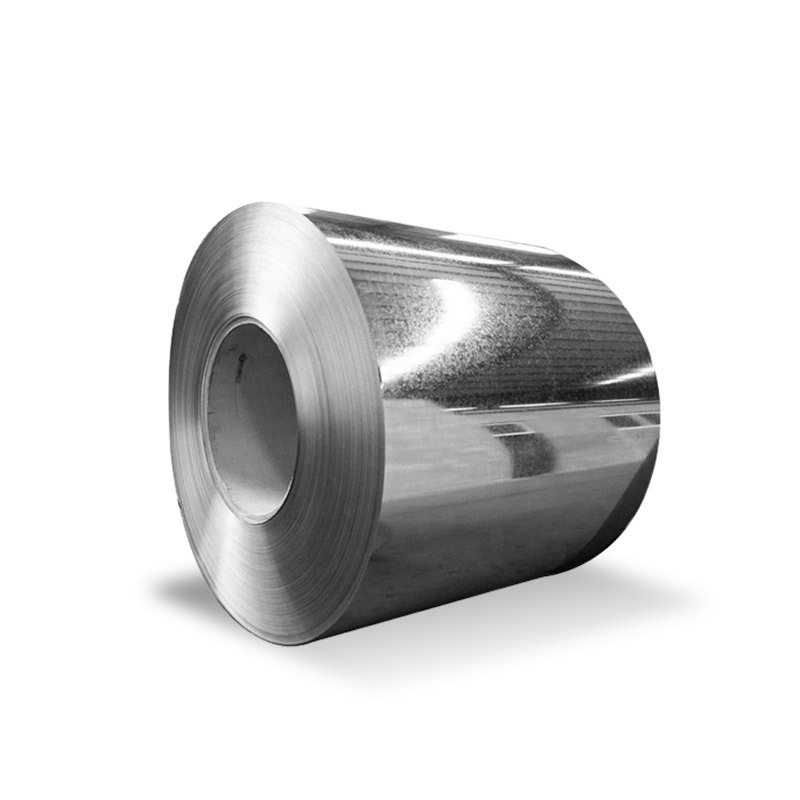
Z120 Galvanized Coil

Z120 is the coating name, which means that the coating thickness on both sides is approximately 120g/㎡ or 36g/㎡ (three-point test) and 90g/㎡ (single-point test). Z120 grade galvanized steel coil is coated with zinc to make it more durable. The working principle of the process is to immerse the coiled steel plate in a galvanizing tank filled with molten zinc. Through the continuous galvanizing process of the thin steel sheet, the galvanized coil is obtained. This type of steel has better formability and good paint adhesion in commercial or architectural use. Another method of producing galvanized steel sheet is through a hot-dip plating process. In this method, it is essential that the steel sheet is heat-treated at 500°C immediately after the exit of the can to form the alloy film coating.

MORE >>

< 1...171819...51 >

Welcome friends to visit our factory at any time!

We will respond to your questions as soon as possible

Our products are sold well all over the country and exported to more than 100 countries and regions such as the European Union, the United States, Australia, South America, Southeast Asia, the Middle East and so on, and we are the global supplier of many international famous enterprises.

Submit