ANSTEEL

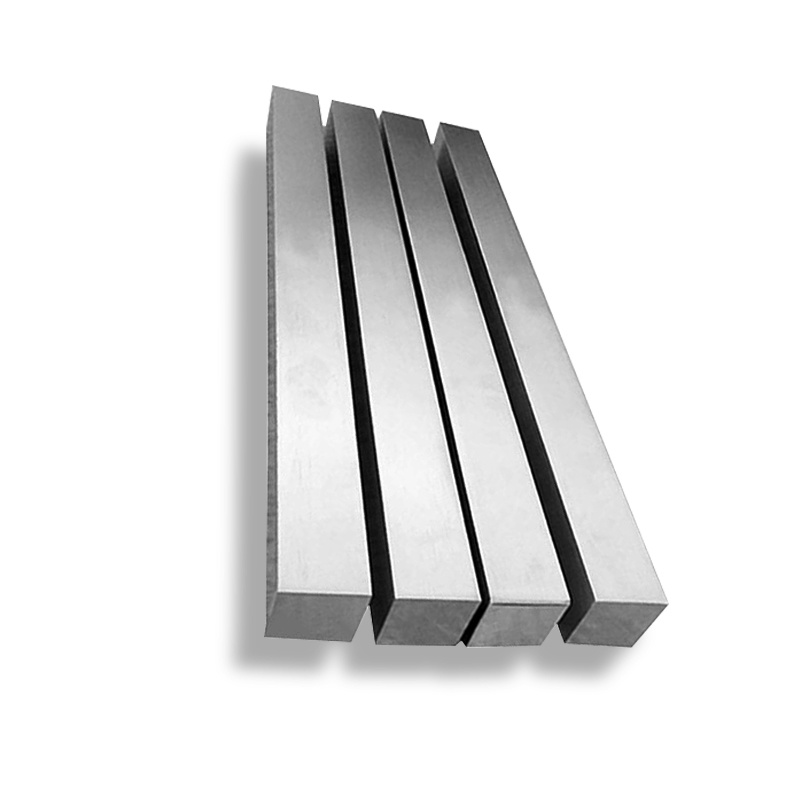
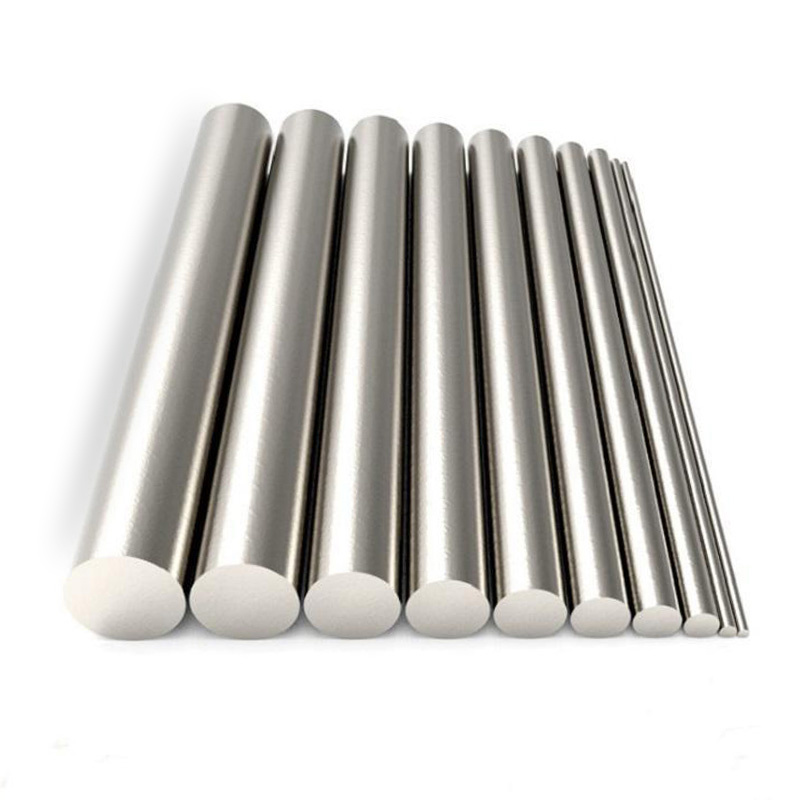
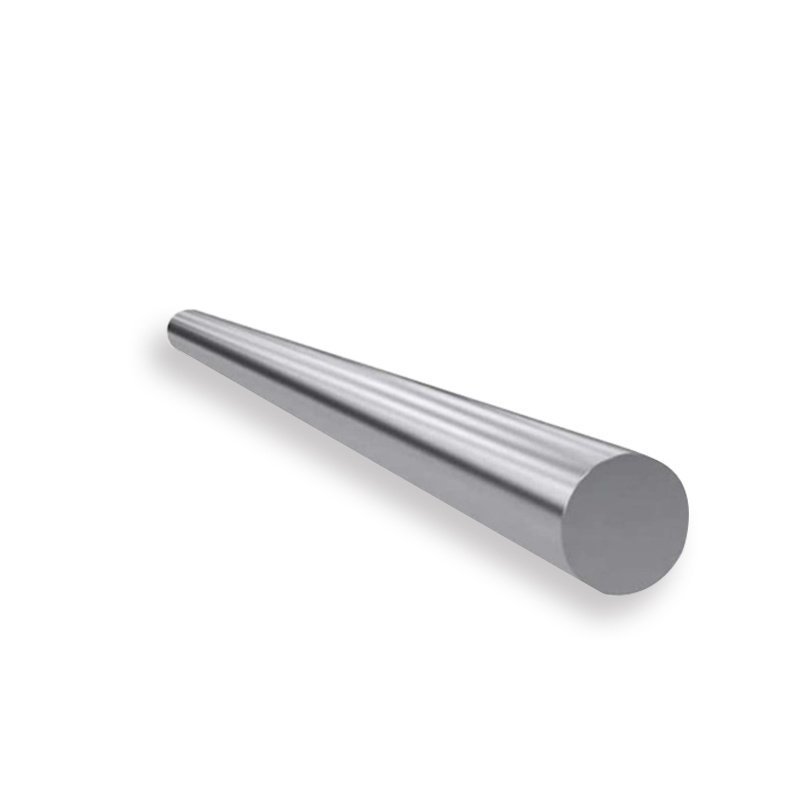
321 Stainless Steel Bar

321(UNS S32100) is a titanium stabilized austenitic stainless steel with good general corrosion resistance. It has good intergranular corrosion resistance at a chromium carbide precipitation temperature of 800-1500 °F(427-816°C). The alloy is resistant to oxidation at 1500 °F(816°C) and has higher creep and stress rupture properties than the 304 and 304L alloys. It also has good low temperature toughness.

MORE >>

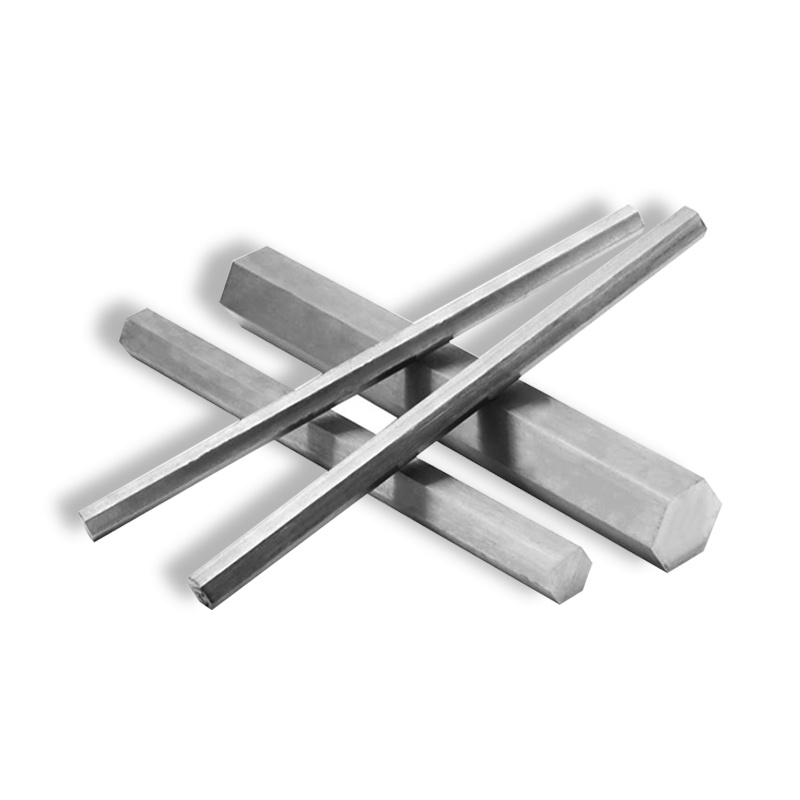
330 Stainless Steel Bar

330 is an austenitic nickel-chromium-iron-silicon alloy with excellent oxidation and carburizing properties up to 2200 °F and high strength. The high nickel and chromium content of the alloy provides excellent oxidation resistance and carburization, and the silicon content further improves the oxidation resistance of the alloy. The ultra-high nickel content of 34 to 37% of the alloy 330 also provides high resistance to chloride stress corrosion cracking and embrittlement due to sigma phase precipitation in most furnace atmospheres. The alloy 330 also has a low coefficient of expansion, excellent ductility and high strength.

MORE >>

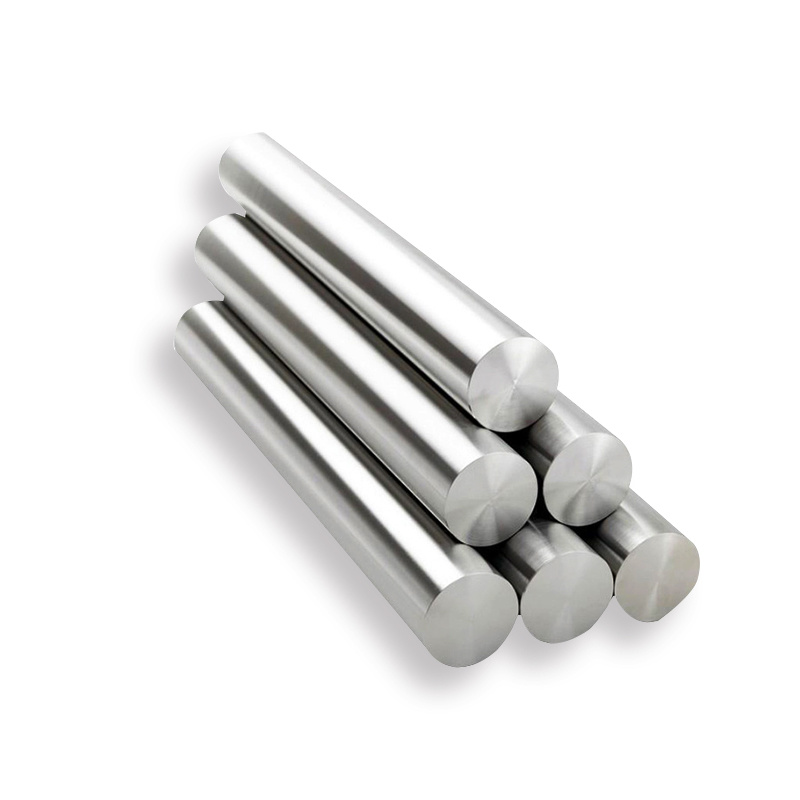
347 Stainless Steel Bar

347 is a stable austenitic chromium steel, containing niobium, which can eliminate carbide precipitation, thereby eliminating corrosion during the year. 347 is stabilized by the addition of chromium and tantalum, and provides higher creep and stress rupture properties than alloys 304 and 304L, which can also be used for sensitization and exposure to corrosion problems during the year. The addition of niobium also makes the 347 alloy have excellent corrosion resistance, even better than the 321 alloy.

MORE >>

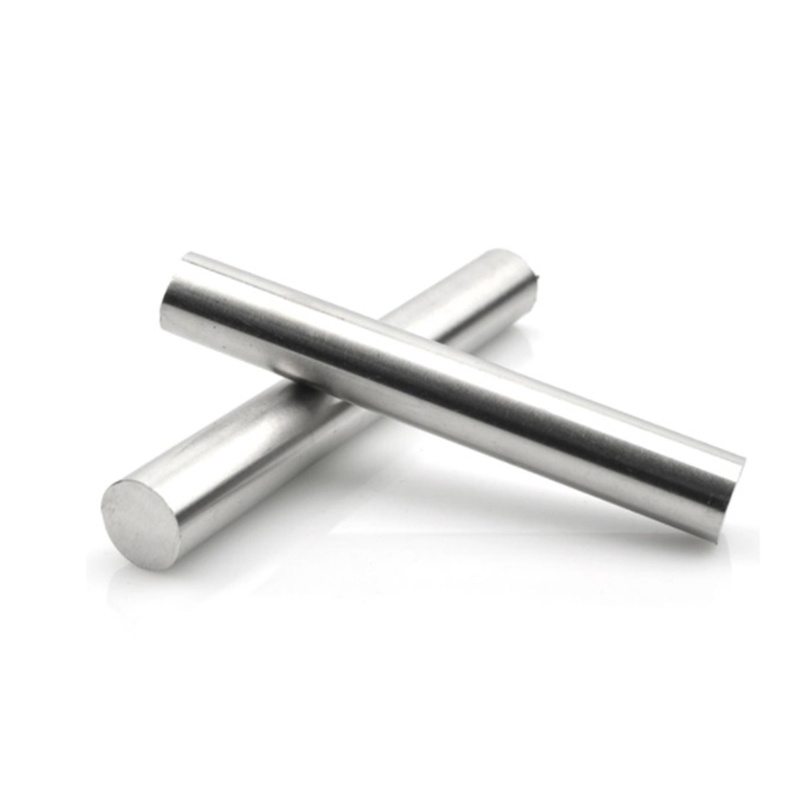
403 Stainless Steel Bar

403 stainless steel has excellent mechanical properties, including high hardness, high strength and high wear resistance. It is commonly used in the manufacture of high hardness tools, cutting tools, bearings and valves and other industrial parts, especially in applications requiring corrosion resistance and wear resistance. In addition, 403 stainless steel can also be used in food processing equipment, chemical equipment, medical equipment and other fields to meet the requirements of corrosion resistance and mechanical properties.

MORE >>

405 Stainless Steel Bar

The mechanical properties of 405 stainless steels are important in determining their suitability for various applications. This steel has excellent workability and is easy to cut and shape into different shapes. In addition, the material exhibits a good level of strength and hardness, making it wear-resistant and tear-resistant. A remarkable characteristic of 405 stainless steel is its ductility, which refers to its ability to deform under pressure without breaking. This property makes the metal suitable for forming processes such as bending and rolling without cracking or breaking.

MORE >>

409 Stainless Steel Bar

409 is a general purpose chromium, titanium stabilized ferritic stainless steel, its main application is automotive exhaust systems. It contains 11% chromium, which is the lowest amount to form a passive surface film, which makes stainless steel corrosion resistant. It combines good high temperature corrosion resistance, medium strength, good formability and overall cost. Compared with carbon steel, 409 has strong corrosion resistance and is used as a substitute for carbon steel in mildly challenging environments. In this environment, its high resistance to corrosion and high temperature oxidation has advantages. It is usually used in applications where appearance is a secondary quality to mechanical properties and corrosion resistance.

MORE >>

A53 Seamless & Welded Carbon Steel Pipe
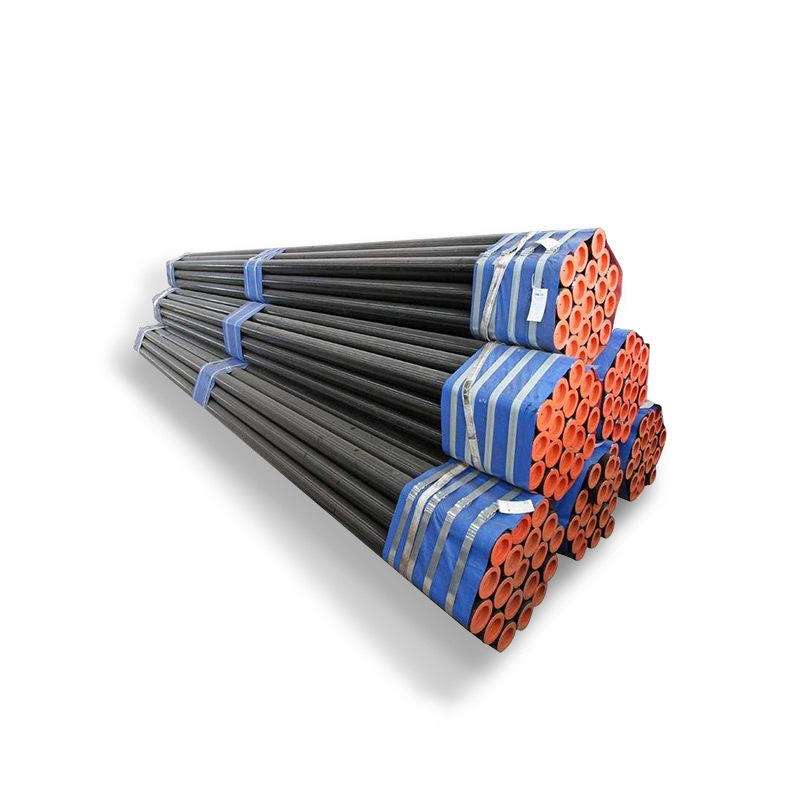
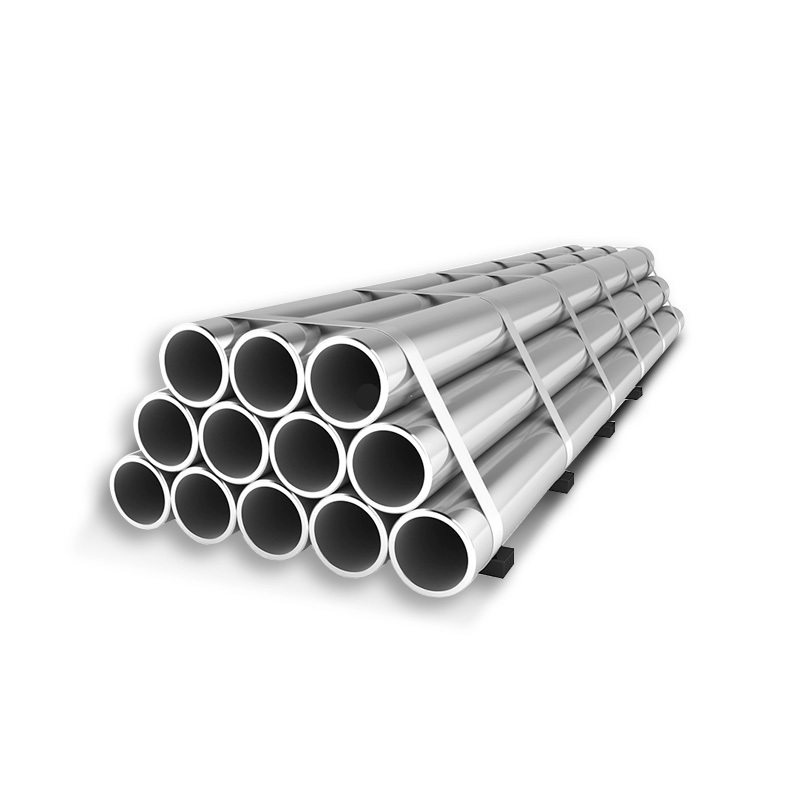
ASTM A53 is a carbon steel alloy that can be used as structural steel or for low pressure piping. ASTM A53 (ASME SA53) carbon steel pipe is a specification covering seamless, welded black and hot-dip galvanized steel pipe from NPS 1/8 "to NPS 26. A53 is suitable for pressure and mechanical applications, as well as for general use in steam, water, gas and air lines.

A53 Seamless & Welded Carbon Steel Pipe
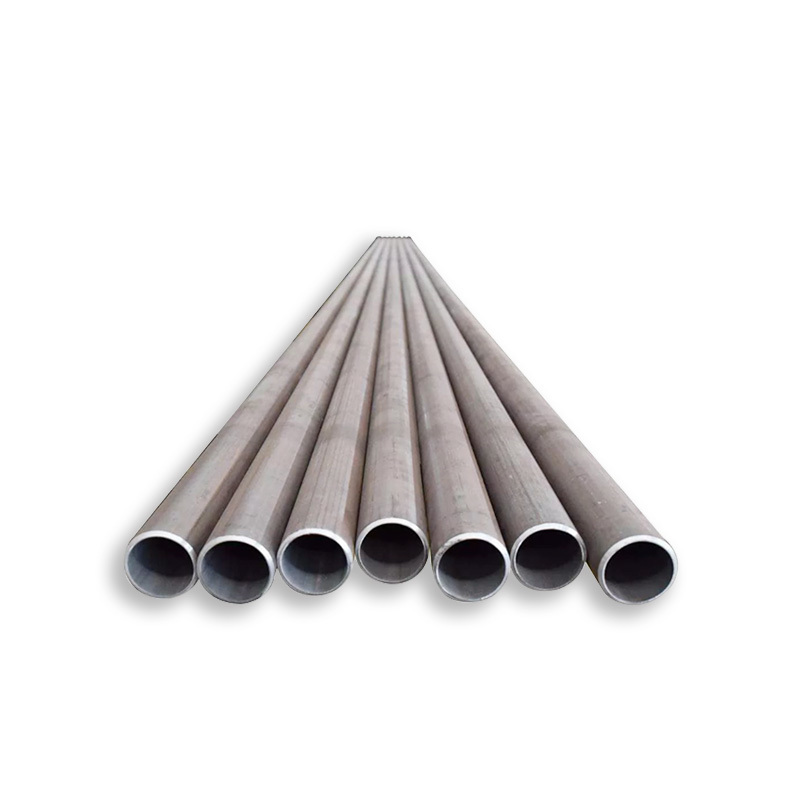
ASTM A53 is a carbon steel alloy that can be used as structural steel or for low pressure piping. ASTM A53 (ASME SA53) carbon steel pipe is a specification covering seamless, welded black and hot-dip galvanized steel pipe from NPS 1/8 "to NPS 26. A53 is suitable for pressure and mechanical applications, as well as for general use in steam, water, gas and air lines.

MORE >>

API Spec 5L Steel Pipe

API Spec 5L is an international standard that specifies the manufacturing requirements for two product specification grades (PSL 1 and PSL 2) of seamless and welded steel pipes used in pipeline transportation systems in the oil and gas industry.

API Spec 5L Steel Pipe

API Spec 5L is an international standard that specifies the manufacturing requirements for two product specification grades (PSL 1 and PSL 2) of seamless and welded steel pipes used in pipeline transportation systems in the oil and gas industry.

MORE >>

API 5CT Steel Pipe

API is an acronym for the American Petroleum Institute and is considered the most authoritative and comprehensive principle in the oil and gas industry. API 5B and API 5CT are mainly used for oil casing. API 5CT oil casing can be divided into seamless steel pipe and welded steel pipe, welded steel pipe mainly refers to the straight seam steel pipe, large diameter oil casing is generally submerged arc welding straight seam steel pipe.

MORE >>

< 1...363738...46 >

Welcome friends to visit our factory at any time!

We will respond to your questions as soon as possible

Our products are sold well all over the country and exported to more than 100 countries and regions such as the European Union, the United States, Australia, South America, Southeast Asia, the Middle East and so on, and we are the global supplier of many international famous enterprises.

Submit